
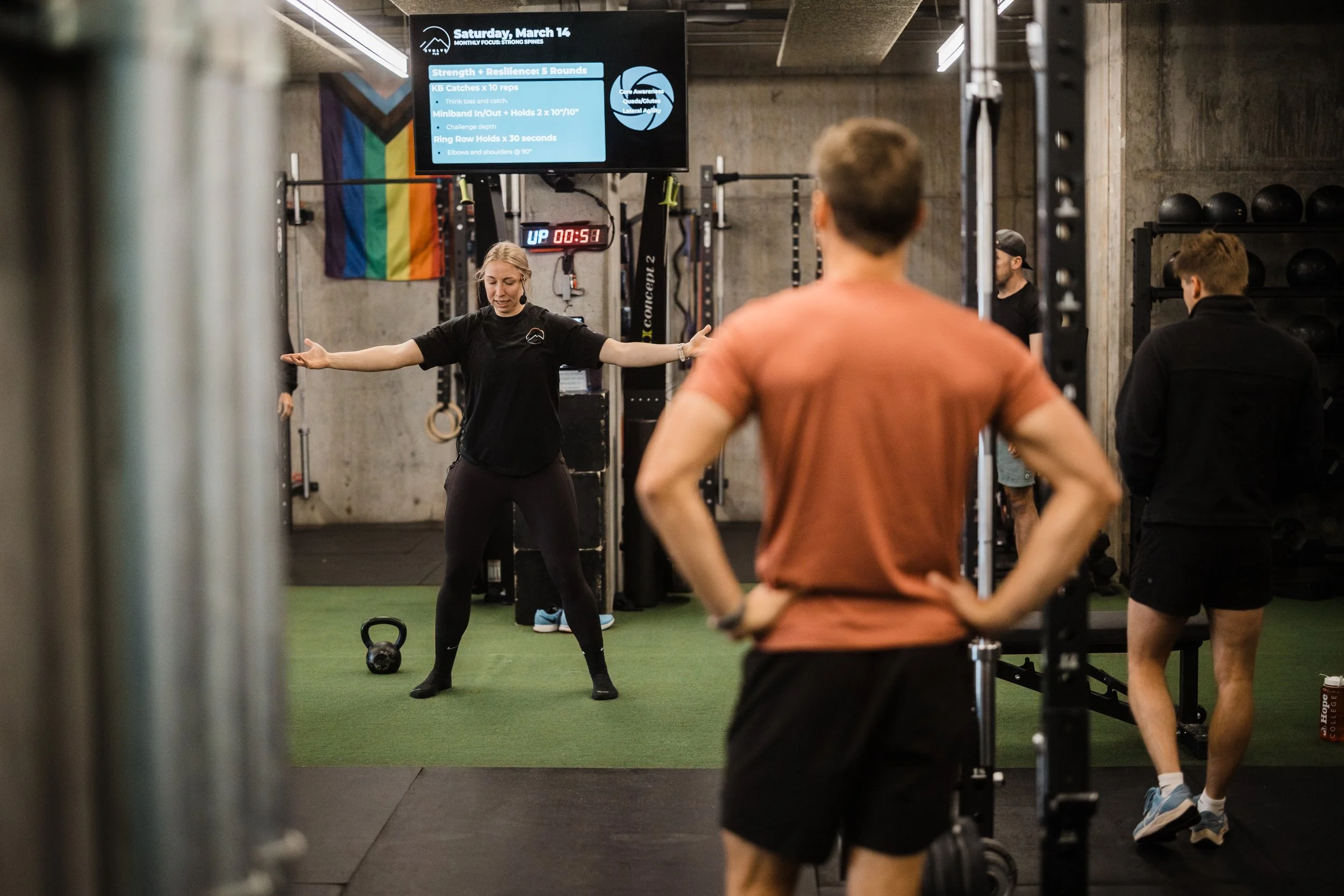
Why You Should Come To a Workout Class
Most people who want to get stronger have a plan. The plan usually involves going to the gym on their own. Here's why that plan rarely works — and what the research says about why strength and workout classes are more effective for most people.
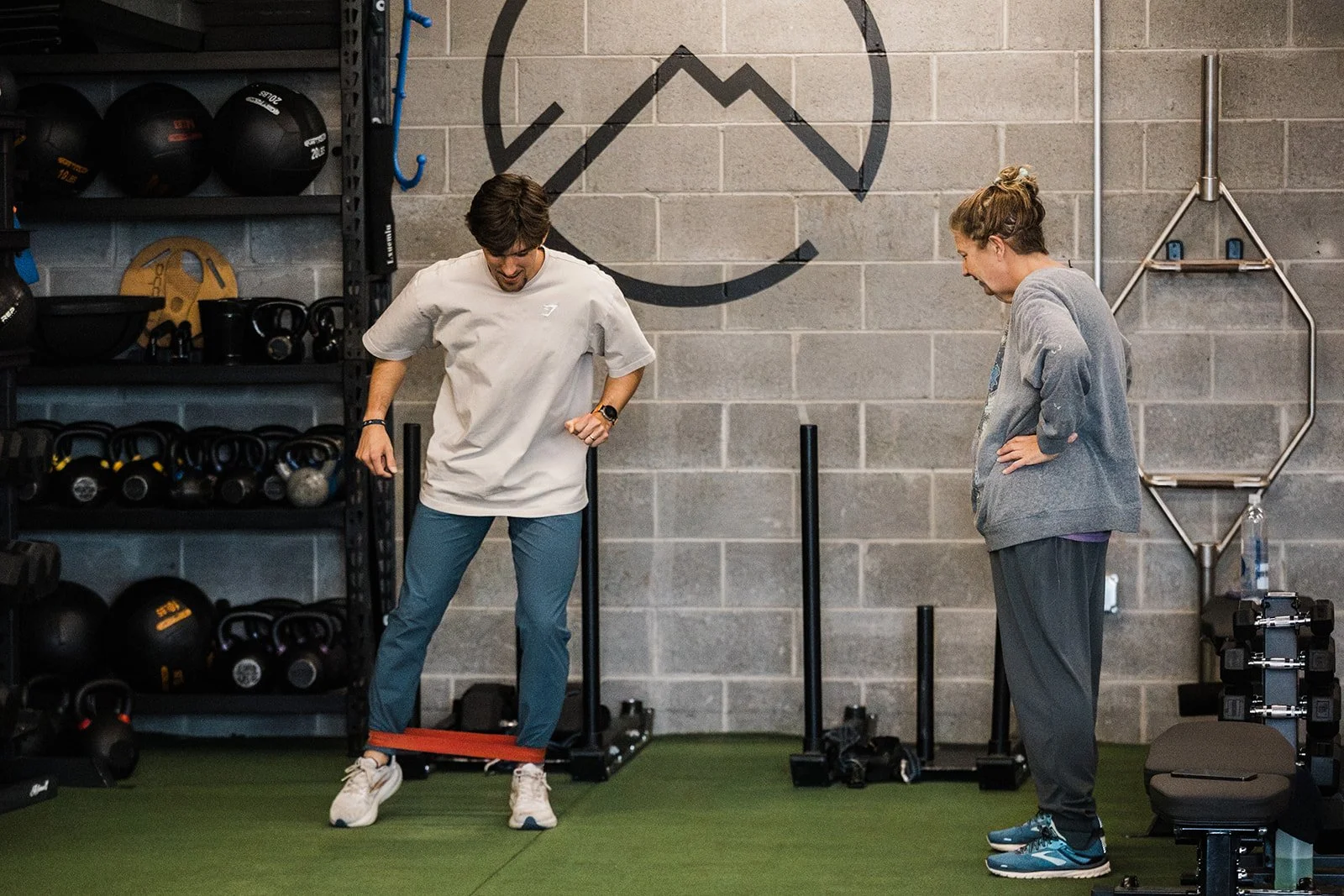
When Did You Last Jump? Why Reactive Movement Belongs in Every Active Adult's Training
Think about the last time you actually jumped — not stepped off a curb, but really left the ground. For most active adults, it's been a while. This article is about the specific physical quality (jumping and moving quickly in different directions) that fades quietly from adult life, why it matters more than most people realize, and how we're work on it in EVOLVE strong classes.
Strength Training for Back Pain & A Strong Spine Health
Low back pain is incredibly common—about 80% of people experience it at least once in their lifetime.
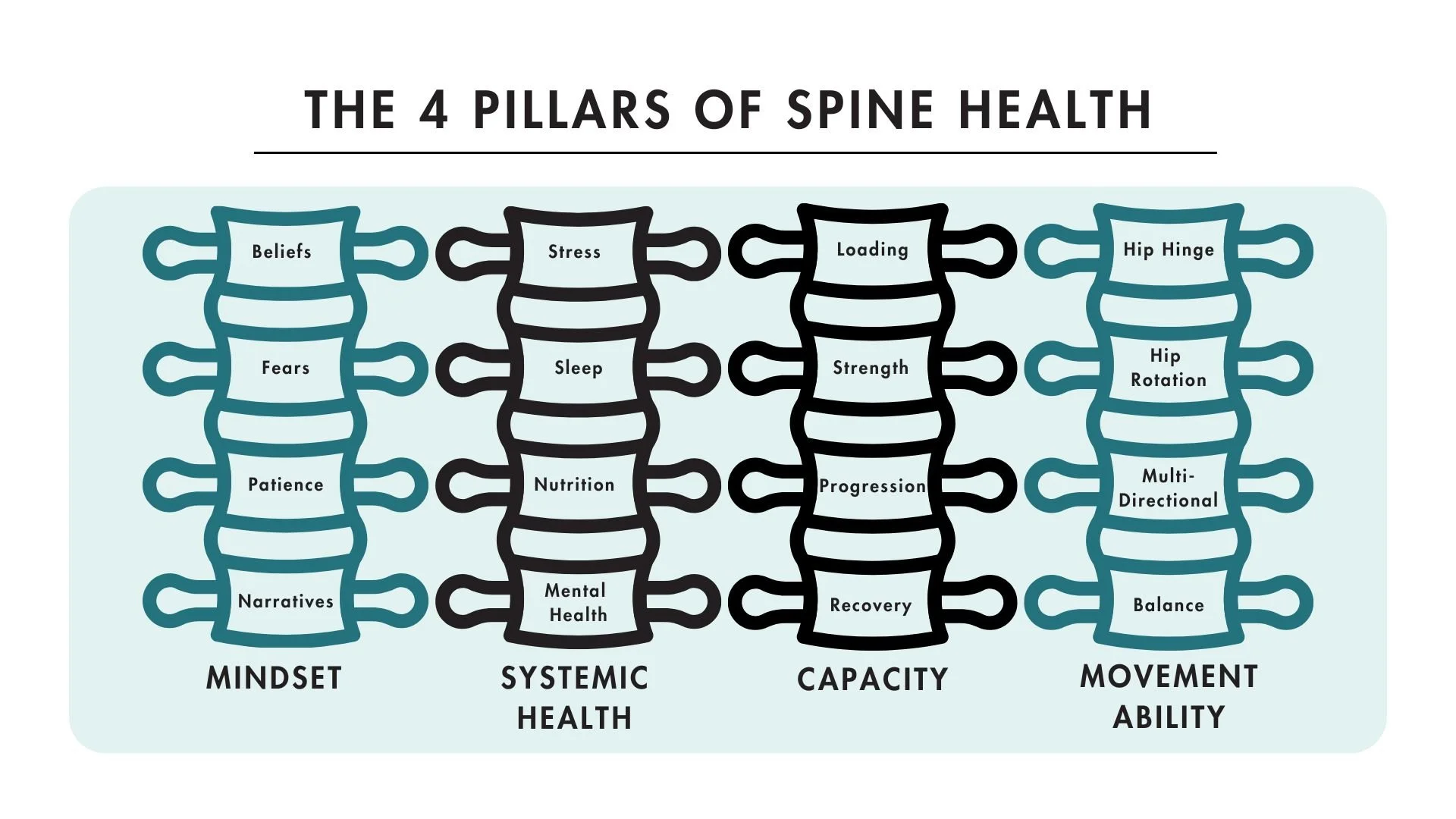
In this article, we are going to review back pain basics, outline a model to help you better understand back and spine pain, and discuss how strength training can help to both improve and reduce the risk of back pain.
Cardiovascular Disease: A Silent Threat—and What You Can Do About It
Heart disease remains the leading cause of death for both men and women in the United States. Personally, some of the people I love the most in my life have suffered from life-altering cardiac events, and I’m sure I’m not alone. Every 34 seconds, someone in the U.S. dies from cardiovascular disease (CVD), and in 2023, CVD accounted for 919,032 deaths—about 1 in every 3 deaths.¹ These are harrowing numbers. While these numbers are stark, there are many things we can do to reduce our risk of developing CVD and reduce its severity with the things we do every day.
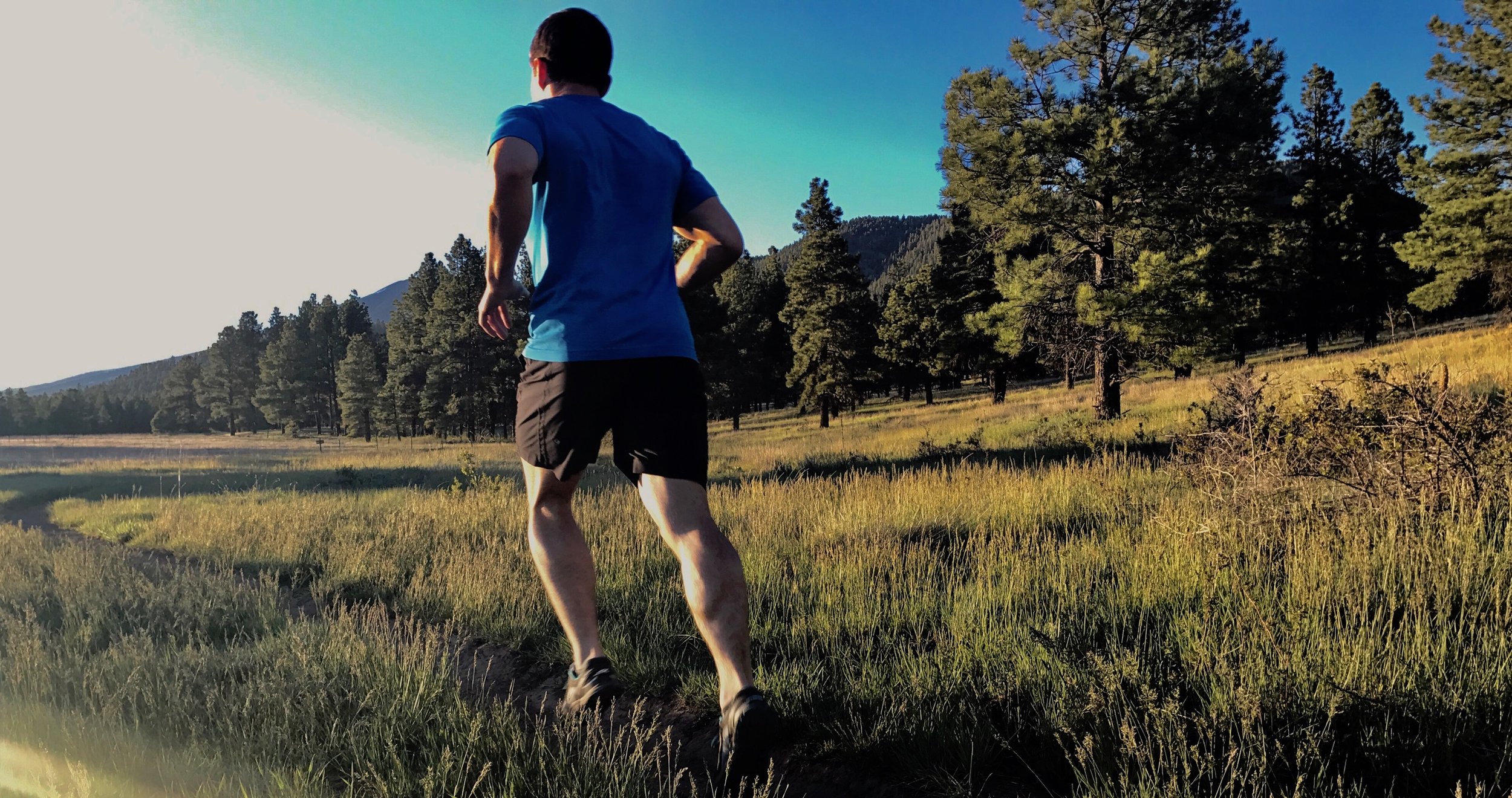
Cardiovascular Exercise: What It Is, Why It Matters, and How We Train It at EVOLVE Flagstaff
February is Heart Health Month—so let’s talk about the kind of exercise that trains your heart, lungs, and the systems that keep you energetic and capable outside the gym.
At EVOLVE Flagstaff, we’re known for strength training—and we’re proud of that. Strength training builds the foundation: muscles, bones, tendons, power, coordination, and the ability to move well for decades.
But if strength training is the foundation, cardiovascular exercise is the engine. It’s what helps you climb stairs without getting winded, recover faster between efforts, feel more resilient under stress, and generally have more “gas in the tank” for life in Flagstaff—at 7,000 feet, where everything counts a little more.
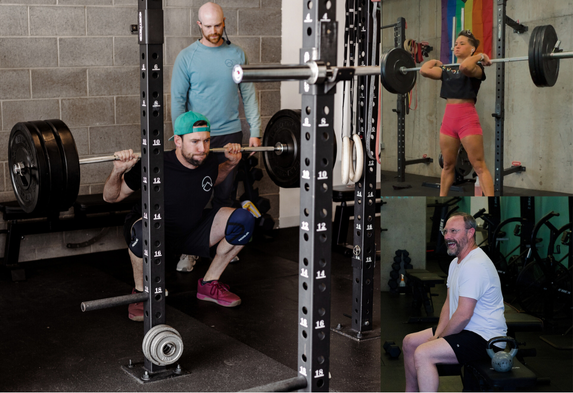
A Strong Start: An Orientation to Strength Training & the Gym
Have you ever walked into a gym and thought, I have no idea what I’m doing?
Or maybe you know strength training is beneficial, but you’re not sure where to start. Maybe you’ve tried it before and it didn’t feel effective—or you were worried about getting hurt.
If any of that resonates, you aren’t alone. And we’re here to help.